
Where remote hospitality work goes when the season ends
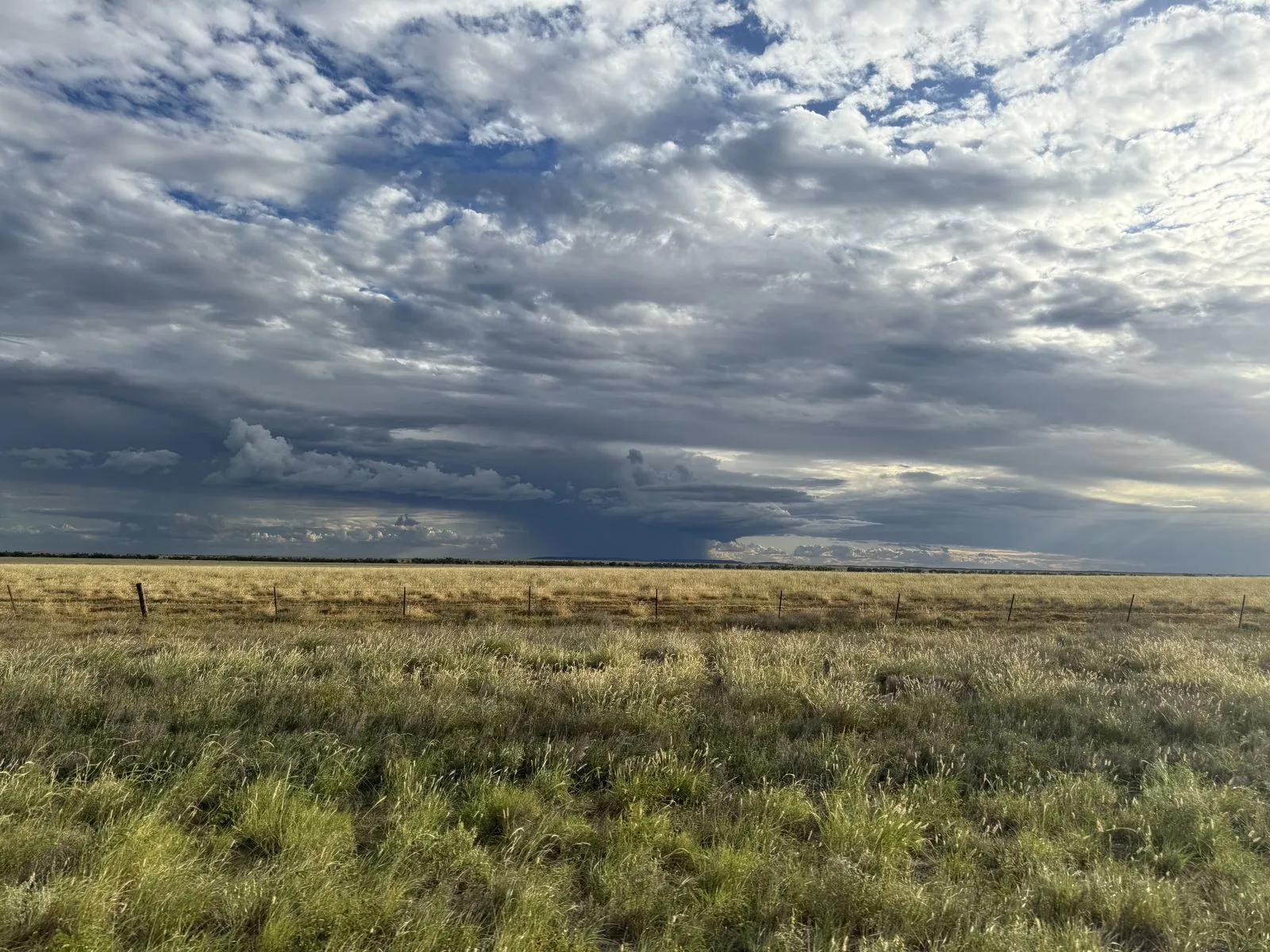
Every October, across the top of Australia, the dry season lets its people go. The floodplain lodges serve their last breakfasts before the build-up — the weeks of stacked heat and afternoon storms that arrive ahead of the rain — closes the tracks for the year. Safari camps come down and go into containers. Crews that have worked side by side since May pack the ute, hand back their keys, and drive out with a reference and a decision to make.
In the same weeks, four thousand kilometres away, the other half of the industry is opening. The walking lodges in the Tasmanian highlands take their first guests of the season. Island and coastal properties are rostering for the run into Christmas. Different operators, different country — and they are hiring for exactly the months the north has just let go.
That is the shape of remote hospitality in Australia: an industry built on six-month seasons, in a country big enough to hold two of them at once. We’ve written before about the questions worth asking before you take a remote job and what actually predicts whether a hire lasts the season. This piece is about the calendar underneath both — where the work goes when the season ends, and what candidates and operators can each do with that.
Australia runs two remote seasons, not one
The northern half of the calendar runs on the dry season — roughly May to October. Across the Top End, the Kimberley, and the savanna country between them, that is when the wilderness lodges, safari camps, fishing operations, and station stays do their whole year’s trade. Many close outright for the wet; some hold a caretaker or a small maintenance crew and not much else. Central Australia peaks through the same cooler months, and the alpine lodges run the same half of the year for the opposite reason — the snow season opens in June and closes in early October.
The southern half runs the other way. From about October to May, the guided-walk lodges in the Tasmanian highlands are in season, the coastal properties of the southern states build toward their summer peak, island lodges fill through the school holidays, and wine-country accommodation carries its best trade from spring into autumn. The peak is bookended by Christmas at one end and Easter at the other, with shoulder months either side.
Lay the two halves over each other and the year interlocks almost exactly. When the northern crews are packing down in October, the southern properties are staffing up. When the southern season tapers after Easter, the north is hiring for May openings. The industry rarely talks about itself this way — job ads are written one property and one season at a time — but from inside a working year, the two halves are one calendar.
The changeover months reward people who move early
October and April are the hinges, and neither one is when the real decisions get made.
By the middle of July, southern-summer operators are already writing their spring job ads; the strongest of them hire through winter for October and November starts. The mirror holds in summer: northern lodges reopening in May tend to lock in their senior people — head chefs, head guides, managers — before the wet season is over. A chef finishing on a floodplain in late October who starts looking in November is choosing from what’s still open. The one who lined up a southern summer back in July steps out of one season and into the next with a fortnight off in between.
Season-close itself has a rhythm worth knowing. The last fortnight is when references get written while the detail is fresh — who ran the pass on the flat-out nights, who kept the quarters liveable, who stayed level through the long back half of the season. It is also when return conversations happen. An operator who wants someone back next May says so in October, usually with a date, because an offer made before the crew disperses beats a job ad posted six months later.
The season break is where the industry loses people
Hospitality loses more people than any other Australian industry — turnover runs close to 39 per cent a year in the industry surveys, and around 42 per cent of new hires are gone within the first 90 days. Replacing one departed worker is put at somewhere between $3,000 and $7,000 once advertising, onboarding, and the thin first weeks are counted. Those numbers mostly get discussed as a city problem. Remote seasonal work has its own quieter version.
Nobody publishes a figure for how many good seasonal people leave the industry at the season break, but anyone who has tried to rebuild a crew in May knows the pattern. The person who finished in October with nothing lined up went home, took a job in town to cover the summer, and the job in town kept them. There was no resignation and no bad season — just a gap that never closed. The industry counts the people who quit mid-season; it doesn’t count the ones who were never asked back early enough, or never knew where the November work was.
Seen against the calendar, most of that leak is avoidable. The work exists year-round; it just changes address twice a year. What is usually missing is the plan — on both sides of the table.

The careers that last run the year in halves
The remote careers that hold together tend to have the same shape: a northern dry season from May to October, a southern summer from November to April, and a deliberate few weeks in between. The break matters as much as the seasons do. Live-in work doesn’t leave much room for ordinary rest while the season is running — the shoulder weeks are where the rest happens, and the people who last treat them as part of the year, not as unemployment. Two peak seasons back to back with no gap is how strong workers arrive at their third season flat.
We’ve worked both halves of this calendar between us — ski seasons in the Canadian Rockies early on, years running lodges on the Great Ocean Road and a boat-access island lodge in NSW, and, more recently, a dry season on the floodplains at the top of the Northern Territory. The pattern holds anywhere the seasons do: the people who treat the year as two halves build a career out of a market that advertises it six months at a time.
Some things carry across the halves better than people expect. An end-of-season reference is the most specific reference in this industry, because it is written by someone who just watched you finish — not by someone reaching back two years. “Finished the season” means the same thing to an operator in Tasmania as it does to one in the Kimberley, and it is often the first thing asked about. The work itself transfers too: a chef’s section is a chef’s section, housekeeping standards are housekeeping standards, and a well-run guest experience reads the same at either end of the country. What changes is the shape around the work — the roster, the accommodation, how far away the nearest town is — and those are exactly the things worth asking about before you say yes.
The practical version for a candidate is simple to say and easy to put off: line up the second half before the first one ends. If you’re mid-season in the north now, the southern operators writing their spring ads are the ones to be talking to — not in November when the bags are packed. And tell your current operator early that you’re planning the counter-season. The good ones don’t hear that as disloyalty; they hear a professional planning a year, and it usually prompts the return conversation.
The counter-season is where experienced people come from
For operators, the same calendar is a sourcing map. The strongest applicant for a southern-summer role in September is often someone finishing a northern season right now — proven this year, referenced this month, and free in exactly the weeks the role starts. Northern operators hiring for May can do the same in reverse through the summer. Hiring from the counter-season means the reference conversation happens while the season being described is still running.
It also changes what retention can look like on a seasonal property. A return offer with a date, made before the crew disperses, is the cheapest hiring most operators ever do — the person arrives already trained, already trusted, and carrying another season’s sharpening from the other end of the country. Some of the steadiest remote crews we’ve seen are built this way: the same people across multiple years, with the property effectively sharing its workforce with an operation on the opposite calendar. Nothing formal has to exist for that to work. It starts with two operators each writing an honest end-of-season reference, and each saying “come back” with a date attached.
The other operator-side move is honesty about the off-season. If the role closes in October, say so in the ad, and say what the close looks like — the finish date, the reference, the notice people can rely on. Seasonal roles are taken happily when the edges are clear from the ad onwards.
None of this asks the industry to change; the calendar is already there. What changes a year is when people act on it. A candidate who plans in halves gets twelve months of work, two seasons of references, and a proper break in the middle. An operator who hires from the other half of the calendar gets someone a fortnight out of a finished season, reference still warm. A good operator reads this and recognises their own year in it. A good candidate reads it and books the November conversation in July.