
The 2026 working-holiday changes, and what they mean for a remote season
Say you are a few months into your first year in Australia and you are looking at a season a long way from a city. A lodge in the Top End, a station in the Kimberley, a resort on an island off the Queensland coast. Part of the appeal is the place. Part of it, if you are honest, is the visa: a remote hospitality season has been one of the few ways to do the 88 days of regional work a second-year visa needs in a kitchen or on a floor.
In 2026 the rules around that moved. The days still have to be done, in the same places, with the same evidence. The government has announced a change to what they buy at the end, and the fine print has not been published yet. We ran remote properties for over fifteen years before we started Wild Ops. One of them, a wilderness lodge on the Top End floodplains, sat in the middle of the map this piece is about. Another, a luxury lodge on the Great Ocean Road, did not, and that difference is most of what follows. We have written about the questions worth asking before you take a remote job. This piece is the visa half of that conversation, as the rules stood on 7 October 2026.
What actually changed in 2026, and when?
Three things, on three different dates, and only one of them is finished.
From 1 July 2026 the application charge for a second or third working holiday visa went up to $1,000, from $670. Your age is now checked on the day you lodge, not the day the visa is granted, so if you are close to the limit the lodgement date is the one that matters.
The program has two streams, and your passport decides which one you are in: Work and Holiday (subclass 462), which has a cap for each country, and Working Holiday (subclass 417), which does not. In mid-August, Home Affairs, the department that runs the program, paused new first-visa lodgements for most of the 462 countries. There was no announcement; the status changed on the department’s country-caps page. It is already lifting country by country: on 7 October three countries were still paused, with no date given for them. The 417 stream was never paused.
Then on 17 September the Minister for Home Affairs announced, at the National Press Club, a ballot for second- and third-year working holiday visas. Regional work stays as the ticket into the ballot. Home Affairs says the package will be rolled out progressively over the next twelve months. As of 7 October there was no start date, no published instrument, and nothing on how people already part-way through their days will be treated. That is the unfinished part.
Does a season at a remote property still count as specified work?
As far as the place goes, yes: the map of places where hospitality work counts did not move in 2026. The work still has to be the right kind, paid lawfully, and add up to the days, and those rules did not move either.
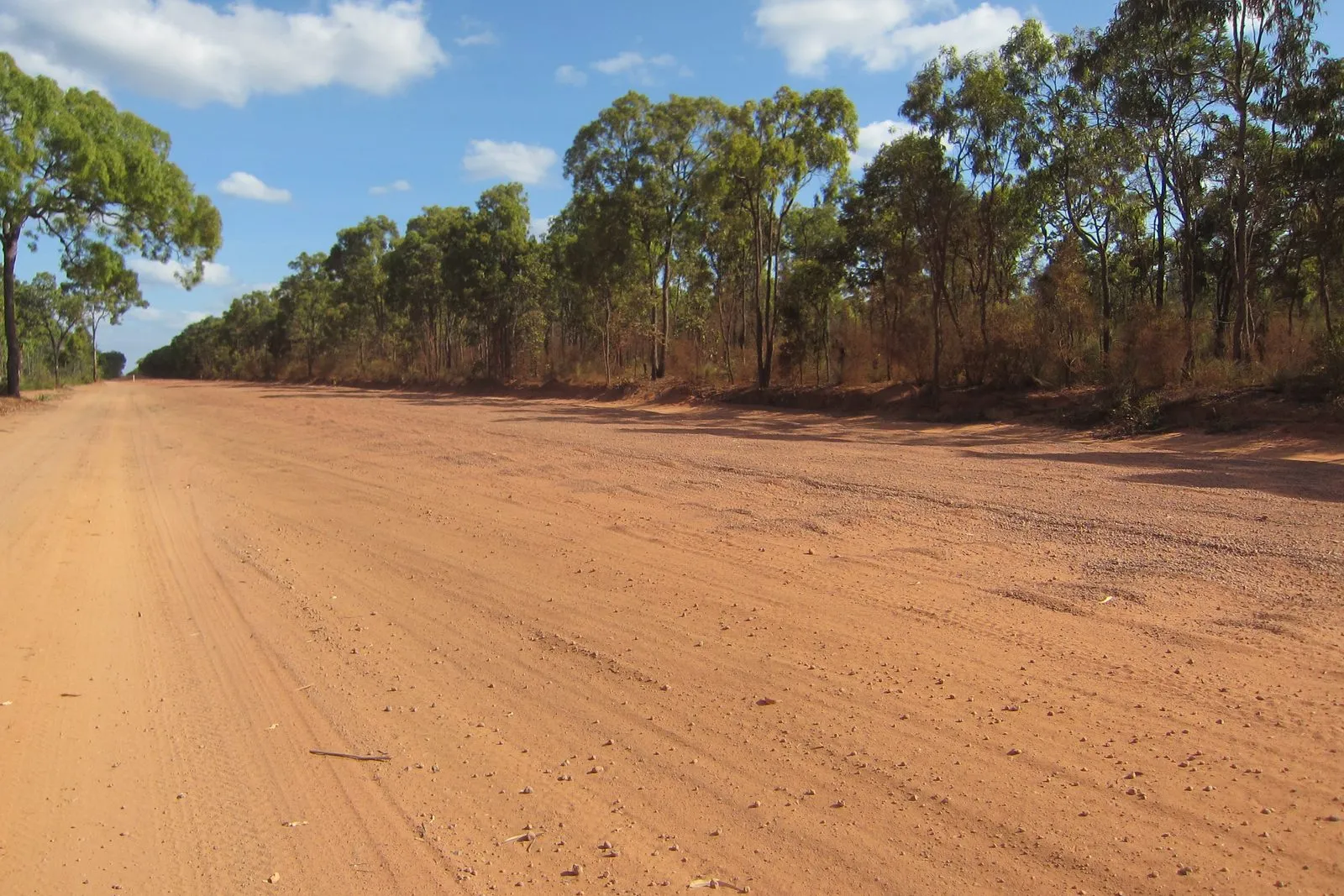
There are two maps, and most of the confusion comes from treating them as one. The wider “regional Australia” map, which takes in a large part of every state, is the one for farm work, construction and, depending on your visa, fishing, tree farming and mining. Tourism and hospitality work only counts on a smaller map: Northern Australia, plus the areas Home Affairs lists as Remote and Very Remote Australia, plus four named postcodes (4406, 4416 and 4498 in Queensland, 7215 in Tasmania). Every postcode in the Northern Territory is on it. So are the Kimberley and the Pilbara, Cape York and the far north Queensland coast, the outback stretches of every mainland state, the west coast of Tasmania and a scatter of far-west New South Wales towns.
On that map the work itself is broad: hotels, motels, hostels, caravan parks and housekeeping; cafés, restaurants, pubs, bars and catering; guiding, tour operations, activity instruction and tourist transport. Home Affairs’ own examples are a chef in a restaurant, a hotel guest-service agent, a dive instructor and a tour-bus driver.
The catch is the word “regional”. A pub in a country town in New South Wales, Victoria or southern Queensland can be four hours from a capital and sit squarely on the wider regional map. If its postcode is on that map and not on the hospitality one, bar work there does not count, because hospitality was never on the wider map. Farm work on the same road would. That is the difference between the two lodges we ran: the floodplain lodge in the Top End was hospitality country for visa purposes; the one on the Great Ocean Road, as regional as it gets, was not.
What does the ballot mean for your second and third year?
The Minister’s words on 17 September were that to qualify for the ballot “you will still have to meet the criteria that you currently have to meet in terms of the regional work”, and that “not everybody will get through”. The criteria are the ones in force now: 88 days for a second year, and six months, done while on the second-year visa, for a third. The numbers he gave were 45,000 second-year places, against 57,000 people who qualified last year, and 5,000 third-year places against 31,000.
In plain words: until now, doing the days has meant you could apply for the next visa. Once the announced ballot starts, the days get you into the ballot, and the ballot decides who goes further. On the Minister’s numbers, and if the same number of people qualify, that is roughly four places for every five who did the days for a second year, and about one in six for a third. Those figures exist only in the speech so far. Nothing has been published that sets them in writing, names a start date, or says which of the two visa streams they apply to.
So nobody can tell you today whether a season that finishes next autumn will be judged under the current rule or the announced one. What the announcement does settle is the direction. The second year is meant to stay within reach for people who do the days; the third year, on the numbers given, will be much harder to get than it has been.
Does any of this apply to you?
Some of it does not, and for some people the answer is still open. The settled part first.
- Australian citizens and permanent residents. You do not hold a working holiday visa, so none of this touches you.
- People on a sponsored work visa. A different program, untouched by this package.
- UK passport holders. Since 1 July 2024 you can be granted up to three Working Holiday visas without any specified work, for applications lodged on or after that date. The July fee and age changes still apply to you.
Then the open part. On the Minister’s words the ballot is not meant to reach UK passport holders either, though that has not been written down. What UK applicants do not get is the faster processing, which the Minister said will be restored for the streams with a regional requirement. And if you are already on a second or third year, the rules for your next application have not been published yet.
One more thing that did not change, and it matters for anyone planning a full season. Since 1 January 2024 a working holiday maker can stay with the same employer for longer than six months in tourism and hospitality anywhere in Australia, without asking permission. A full October-to-April season with one lodge sits within that condition as it stands, as long as your visa runs that long.
How do you check a property’s postcode before you commit?
Ask for the property’s postcode. The property’s, not the nearest town’s and not the head office’s. Then check it against the tables on the Home Affairs specified work page for the 417 or the 462. If it appears in the Northern Australia or Remote and Very Remote tables, or is one of the four named postcodes, the place passes. If it appears only in the “regional Australia” table, it passes for farm work and not for hospitality.
We are recruiters, not migration agents, and nothing here is advice about your own visa. The rules live on the Home Affairs working holiday maker pages, and they are the pages to read before you rely on anything, including this.
Two practical points from those pages. The three months are counted as 88 calendar days of full-time-equivalent work. Paid public holidays and sick days count, unpaid weather days do not, and the days can be spread across more than one employer but not squeezed into fewer than three calendar months. And the proof is paperwork: payslips, Australian bank statements covering the period, an employer reference, a payment summary or a tax return. The work has to be paid at the lawful rate, and Home Affairs may contact the employer to check. Keep every payslip from the first week.
What should you ask the operator before you sign?
Four questions cover it, and none of them needs a lawyer to answer.
What is the property’s postcode, and which Home Affairs table is it in? A good answer is the postcode and the table, or an offer to check and come back with both. If the answer is “we’re regional, it counts”, ask for the postcode anyway. Regional is the farm map, and the person answering may not know there are two.
What will the work be, and how will it show on my payslip? A good answer names the role, the award it is paid under and the pay cycle, and the payslips show the hours you actually worked. Payslips are first on the list of evidence Home Affairs accepts.
How long is the season, and does it get me to 88 days of paid work? A good answer is two dates and a roster, because the count depends on paid full-time-equivalent days, not on the dates alone. A six-month season of full-time hours gets there; a ten-week contract cannot; a thin roster on a long season may not.
Will you give me an employer reference at the end? A good answer is yes. It is one of the forms of proof Home Affairs lists.
None of these is a trap; they are the visa version of the roster and accommodation questions in the earlier piece.
What should an operator tell candidates up front?
If you are the one hiring, the same rules belong in the ad, and putting them there costs nothing.
Put the postcode, and which table it sits in, in the ad. If the property is on the hospitality map, say so plainly. It is still one of the few kinds of place in Australia where kitchen and floor work counts toward a second year. Once the announced ballot starts, those days will matter to the candidate at least as much as they do now. If the property is not on the map, say that too. Either way the candidate arrives knowing what the season does and does not buy, and that is the version of honesty the retention evidence keeps rewarding.
Two more things belong in the offer. The six-month condition no longer limits a hospitality employer, so keeping one working holiday maker for a full season needs no permission, within whatever time is left on their visa, and it is fair to say so. And Home Affairs expects processing for a first visa to average around three months, and tells applicants not to commit to work until the visa is granted. A start date for someone applying from overseas needs that margin built in.
What an operator cannot honestly offer is a visa outcome. On the announced numbers the third year in particular will be hard to get, and a candidate planning a second season around it deserves to hear that from the person hiring them.
None of this decides whether to take the season. It tells you what you are choosing. The days are the same and the places are the same; once the announced ballot starts, what they buy at the end will be a place in a draw where it used to be a visa. Check the postcode, keep the payslips, and treat anything about the third year as unsettled until Home Affairs publishes it.
The season itself has not changed either: the roster, the room, the quiet days and the work are still what decide whether it was worth it, and the earlier questions still cover those. A good operator reads this and says yes, and here is our postcode.