
Boredom is the part of a remote season nobody prepares for
Say you are about to sign for a summer season. A lodge on an island, a station in the ranges, a walking lodge at the end of a road that closes in winter. You have done the sensible things. You asked about the roster and the room, you know the phone gets one bar on the verandah and nothing past it, and you have made your peace with being a long way from your people for six months. You have pictured the isolation, and you are fairly sure you can carry it.
What you have probably not pictured is a Tuesday in week eleven. It is your day off. The vehicle is booked, the boat isn’t running, the internet has been down since lunch, and everyone you would talk to is on shift until nine. There is a beach you have already walked and a book you have already finished. It is half past two.
We ran remote properties for over fifteen years before we started Wild Ops, and that Tuesday is the day we would ask anyone to picture before they sign. We have written about the questions worth asking before you take a remote job and what actually predicts whether a hire lasts the season. This piece is about the day with nothing in it, and what to do about it before you go.
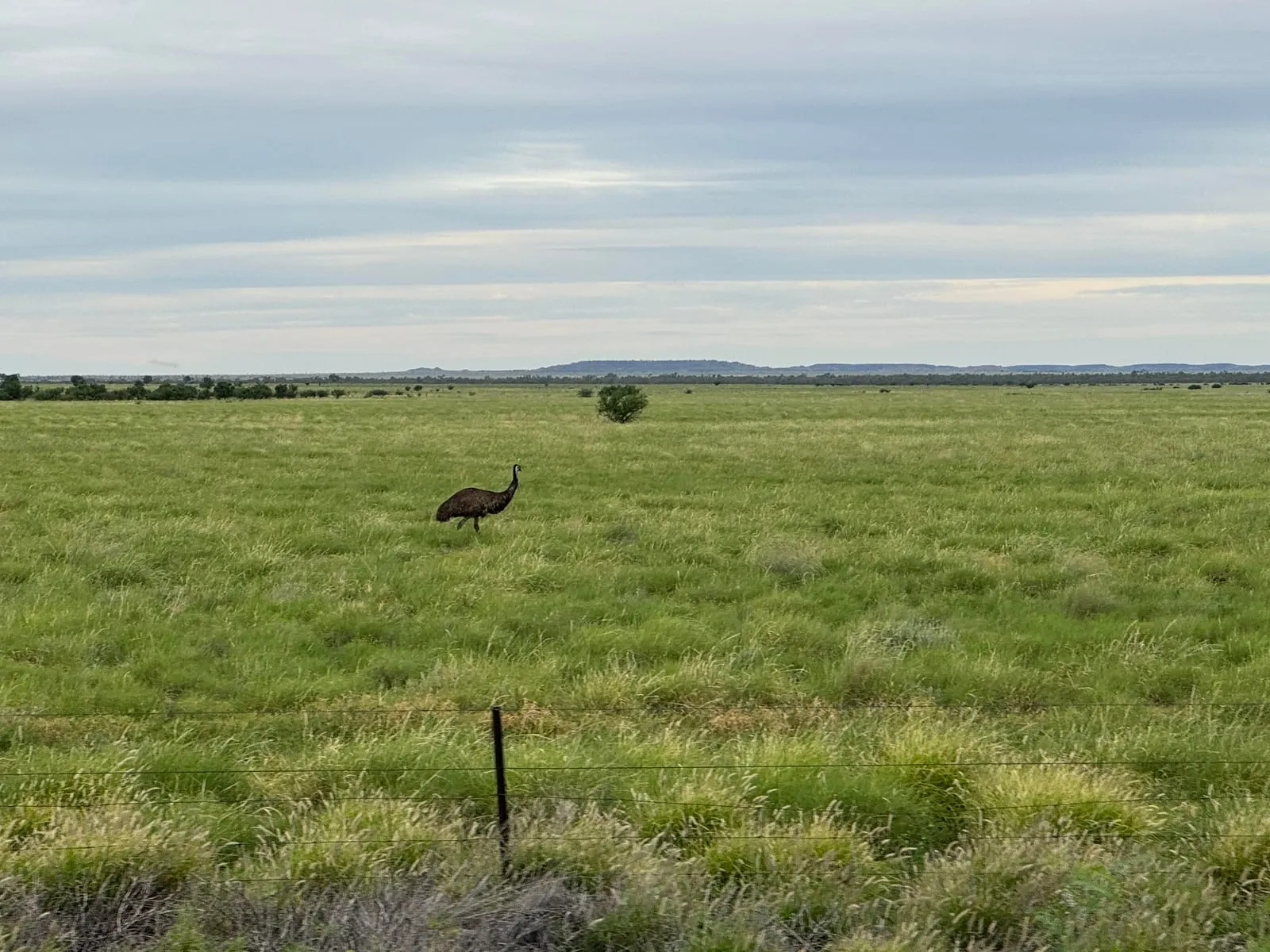
The isolation is the part you have already pictured
Isolation is real, and it gets the attention it deserves. In the Australian research on fly-in fly-out workers, being cut off from the people at home sits high on the list of what wears people down. Anyone who has done a season a long way from anywhere will tell you the same.
But isolation is also the thing you brace for. You know before you leave that you will miss birthdays and that the calls will drop out. You make the arrangements: who you will ring on a Sunday, what happens with the dog, how you would get home if something went wrong. The isolation you find in week one is roughly the isolation you imagined, because you imagined it.
The day off is different. Nobody imagines it, because at home a day off fills itself. There is a town, a mate who is also off, somewhere to drive. On a remote property a day off is a fixed amount of time in a fixed place with the same faces, and it arrives every week whether you have something for it or not.
The day off is the part you have not
When people write about a remote season after they have left it, the word that turns up beside isolation, again and again, is boredom. In the reviews former staff leave about large remote resorts, boredom and the toll on their mental health are named in the same breath. The question they say they wish they had asked before starting is a practical one: what actually happens on a day off, is there transport, and is there anywhere to go.
That matches what we saw running small teams. The people who struggled in the second month were often not the ones who missed home the most. They were the ones who had nothing to do with a Tuesday. Capable, easy to work with, good at the job, and slowly worn down by the hours between the end of their last shift and the start of the next one.
Nobody has counted it. There is no published study of how many lodge seasons end on a day off, and we are not going to invent a number. But there is a field that has studied who copes with a contained posting more carefully than anyone, and it found the same thing from the other direction.
The selection science lands on the same trait
The programs that pick crews for the winter on Antarctic stations are the only employers that formally test who copes with months in a closed place. They publish what predicts it. Near the top of the validated list, alongside strong motivation and a level temperament, sit two traits that sound almost dull: a low need for outside social support, and a tolerance for low stimulation. Put plainly, the people who last are the ones who can be left alone with a quiet day and be fine.
A lodge is not an Antarctic station. There are guests, and the job needs real warmth with them; the person who wants to be left alone entirely is in the wrong trade. But warmth and a need for stimulation are different things, and it is the second one that decides the Tuesday.
The polar research also has a name for when the quiet days get hardest. Morale on a fixed posting tends to dip around two-thirds of the way through, whatever its length. Researchers call it the third-quarter phenomenon, and it has been documented across expeditions and stations for decades. The novelty has worn off, the end is not yet close enough to count down to, and the days off have stopped being an adventure and started being a gap. On a six-month season that is month four. It lines up with the one Australian setting where remote survival has been measured through payroll, remote clinics in the Northern Territory, where half of all new starters were gone by about month four as well.
What your unstructured days look like now is the honest read
The useful thing about this failure mode is that you can check for it before you go, and the check is a look at your own weeks. A few questions, answered honestly:
- The last three days you had off with nothing planned: what did you actually do with them? If the honest answer is “went into town,” that is worth knowing, because there won’t be one.
- When the internet drops out for an evening, what happens? Some people read, cook, or walk. Some people pace.
- Is there something you do on your own that needs no town, no crowd and no signal? A run, a fishing rod, a sketchbook, a course you are partway through, an instrument. It doesn’t have to be impressive. It has to be yours, and it has to travel.
- How often do you need to hear from the people you love? Daily is fine. Daily on a patchy line at a fixed hour, with the rest of the week quiet, is the version to picture.
- Have you done a stretch of weeks somewhere small before? If so, were the days off the best part, or the part you got through?
None of this is a verdict on anybody. It has nothing to do with personality labels or with anyone’s mental health. It is a look at habits, and habits can be packed. A person who puts the running shoes and the half-finished course in the car has changed the shape of the Tuesday before they arrive.
It is also worth saying out loud in the interview. If an operator asks what your days off looked like in your last remote role, this is the question behind it, and a specific answer is worth more than enthusiasm.
Days off are infrastructure, if you run the place
If you are the operator, the same evidence reads as a design note. Days off are part of the property you are running, and the ones that actually happen and actually have something in them are a retention lever you already own.
Transport does a lot of the work. A vehicle staff can book for their day off, a seat on the supply run into town, a boat trip they can ride along on. None of it costs much, and it turns a fixed place into a place with an edge to it. Kit does some more. A couple of fishing rods, a kayak, a decent shelf of books, a shared bike. And the satellite plan that holds up on a Sunday night, when everyone is trying to call home at once, does more for morale than most things on the wish list.
The other half is the calendar. The crew surveys from live-aboard yachts, the nearest cousin to a lodge, find that operations which protect real leave keep their junior crew longer. The lodge version is days off that survive a busy week, and a shared day off now and then so the crew can go somewhere together. It is also a conversation at the two-thirds mark, before the dip, about how the season is going and what next year could look like. On a six-month season, a retention chat at the end is about two months late. The decision has usually been made by then.
Seasonal staff come back to places where they felt part of something. That is the measured predictor in the research on returning seasonal workers, and a lot of it gets built on days off.
For the right person, the quiet days are the best part of the year
None of this is an argument against going. The quiet Tuesday we asked you to picture is also the one a lot of people in this industry would not trade: the beach with nobody on it, and the swim at the waterhole before the heat comes up. The people who last in remote work are usually the ones for whom that day is the point, and they knew it about themselves before they went.
So picture it honestly. Ask what a day off actually is on the property you are considering: what there is to do, how you get anywhere, what the signal is like when the weather turns. Then look at your own last few weeks and ask whether you would be fine with the answer. A good operator reads this and can already tell you what their crew did with last Tuesday.